East Turkey – Where My Restart Begins
Last summer, I came across an advertisement: the bird ringing station Aras River Bird Sanctuary in eastern Turkey was looking for bird ringers. It felt like the perfect opportunity to combine my love for fieldwork with my curiosity about new landscapes and bird communities.
I’ve always found it fascinating to visit different stations. Each has its own conditions, methods, and approaches — and it’s exciting to see what works well, what doesn’t, and which ideas you can take away or even improve. I enjoy sharing my input and suggestions, but I learn just as much in return.
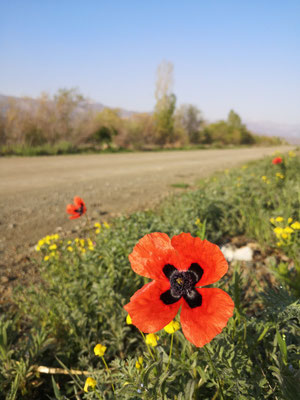
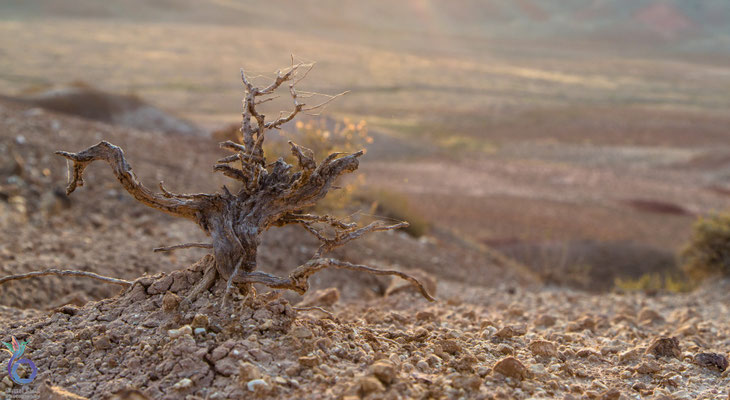
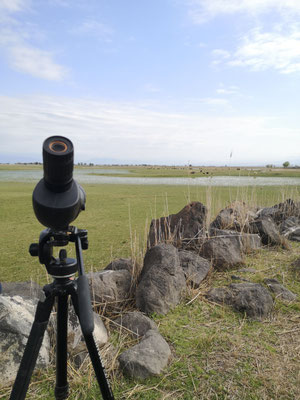
The station in Aras, near the border with Armenia and close to the town of Tuzluca, was especially memorable. Set in a high-altitude steppe landscape, the area looks dry and open at first glance, but the Aras River creates a lush ribbon of life. Before the dams and roads, the river often burst its banks, shaping a patchwork of riparian vegetation—bushes, marshy spots, and young trees. That’s where the mist nets are set up, stretching over impressive lengths.

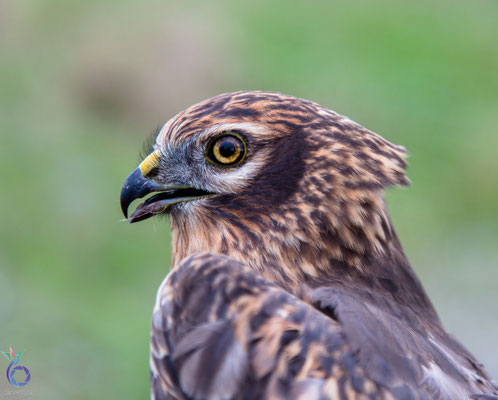
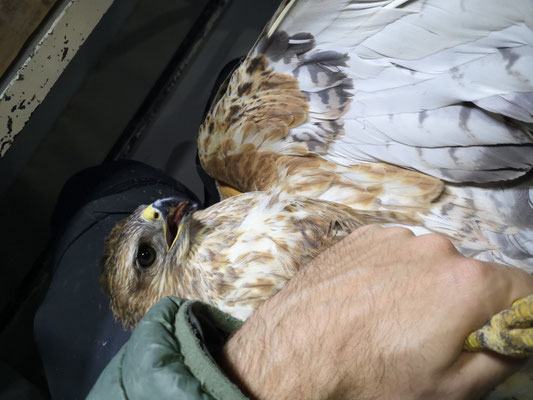
Beside the standard setup, the station also uses raptor nets—huge, tall, wide-meshed constructions. At first, they seemed placed randomly, but I quickly realised that the managers know exactly which flight paths raptors prefer. Their efficiency proved that point. Nets are kept open 24 hours a day (when weather allows), though bird activity at night is minimal.
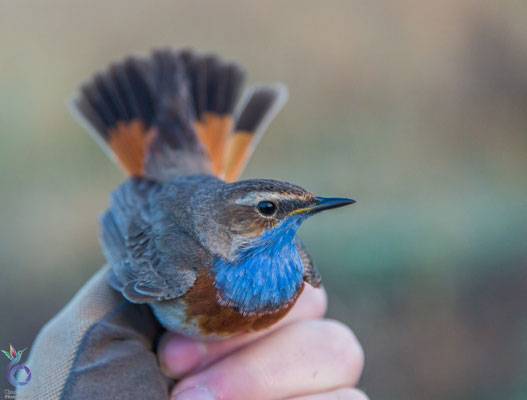
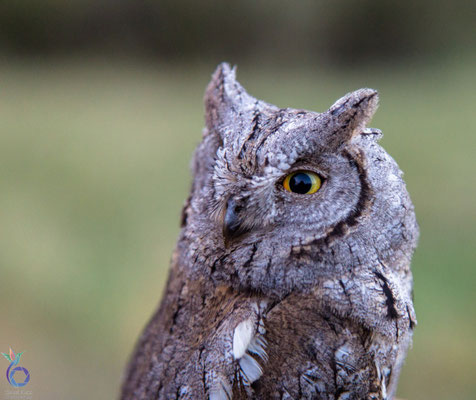
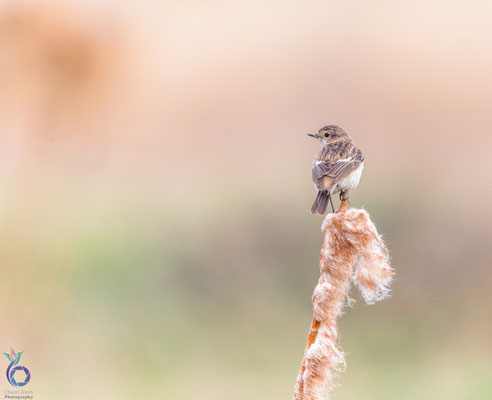
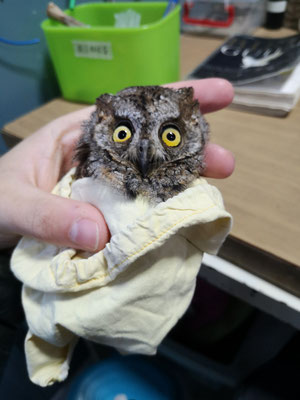
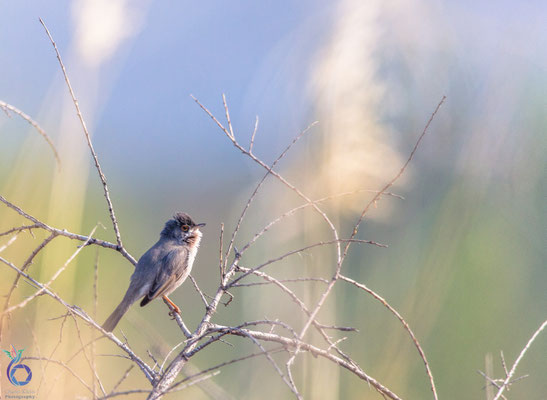
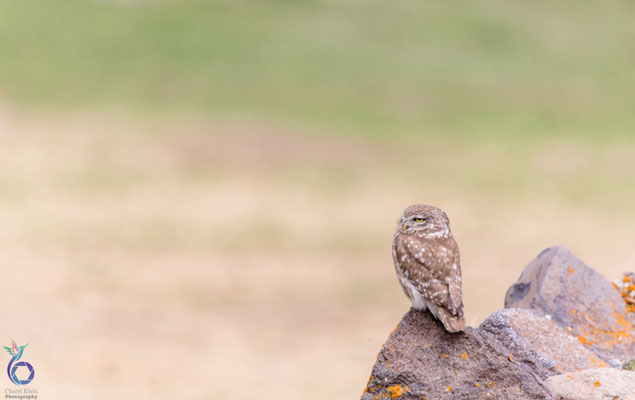
What made Aras truly challenging for me was the bird diversity. Many species are rare in Central Europe, and I encountered exciting subspecies and even some completely new species for me. Every day brought surprises, tests of my identification skills, and moments of wonder.
The combination of landscape, people, and birds made my stay unforgettable. It was a tough but inspiring reminder of why I chose this path in the first place. And so, it feels fitting to begin my return to this blog with East Turkey—a place that both challenged and motivated me, and one that renewed my excitement for sharing my journey with you here.
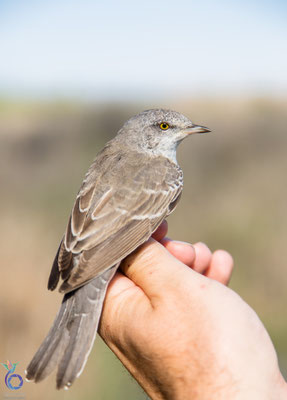
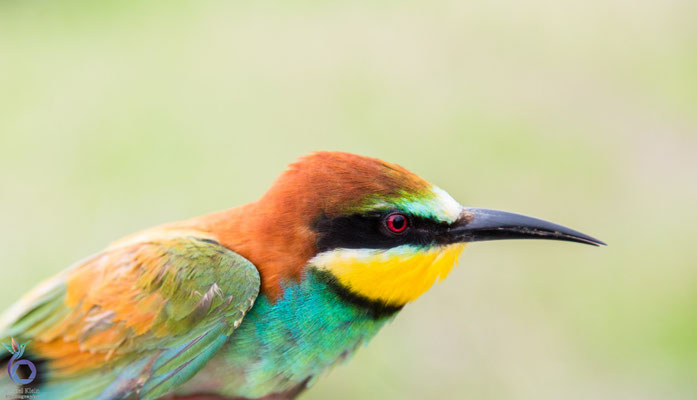
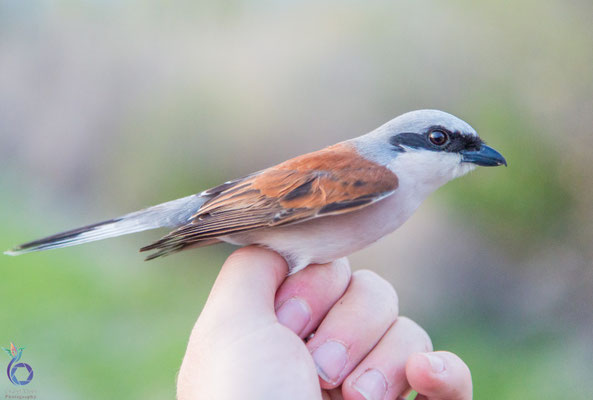
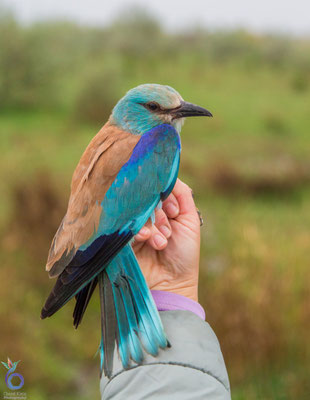
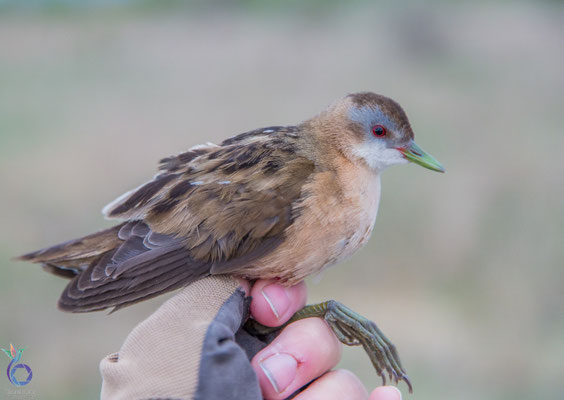
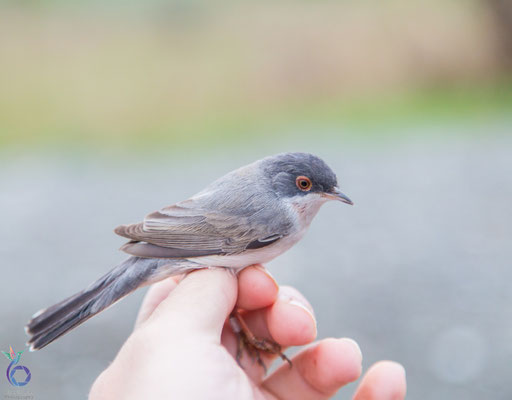

Want to see more birds?
Life around the station
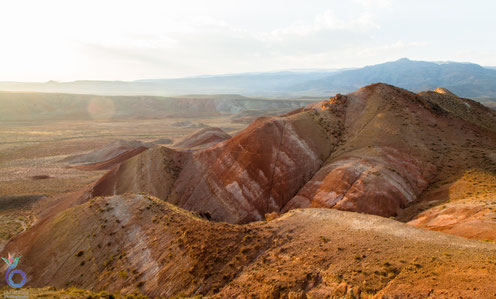
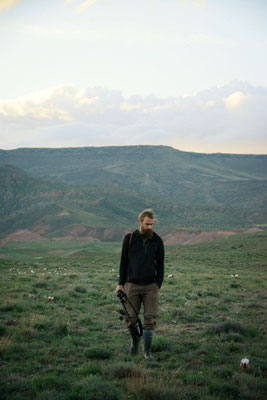
Most of my time in Turkey was spent at the station, with only occasional short trips into the surrounding area. At first, the steppe seemed barren and lifeless—but the more I observed, the more it revealed its secrets.
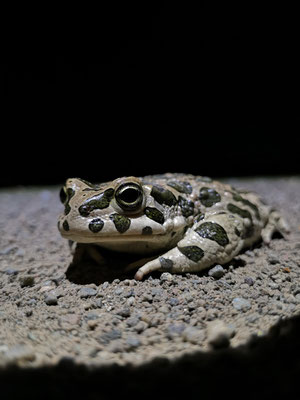
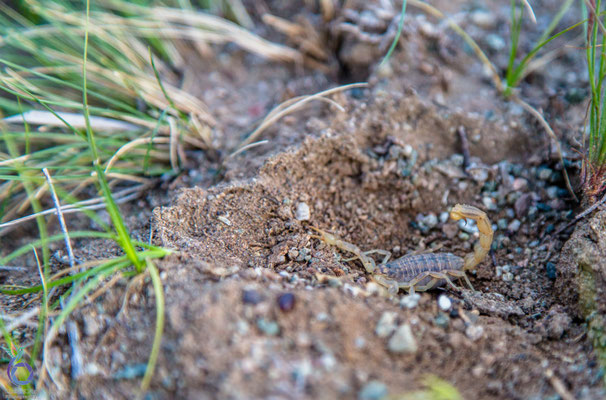
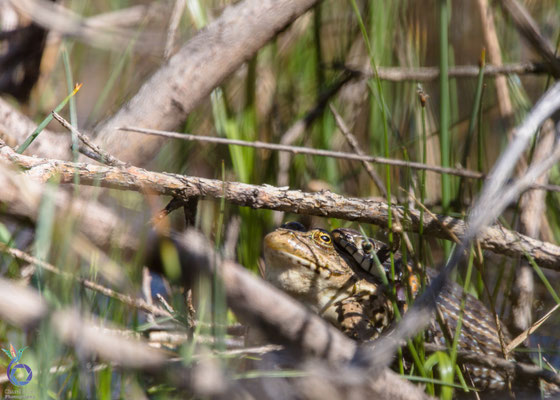
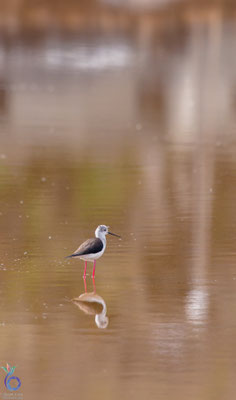
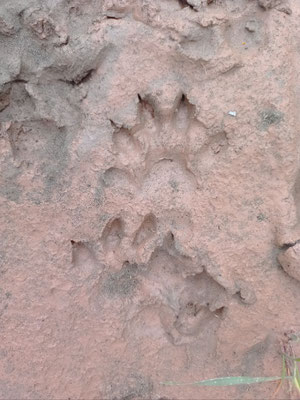
The Aras River provided a home for otters, countless bird species, amphibians, and insects, turning this narrow band of green into a lifeline for wildlife. In the stillness of early mornings, the air filled with the songs of warblers hidden in the bushes, while bee-eaters darted across the sky in flashes of colour.
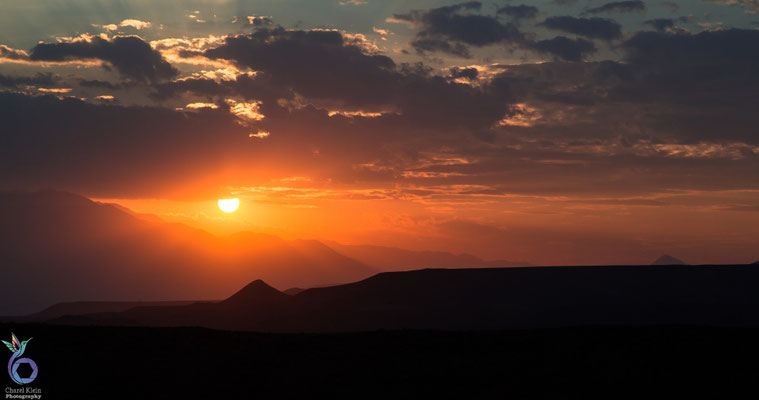
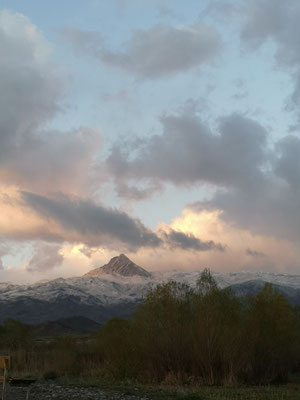
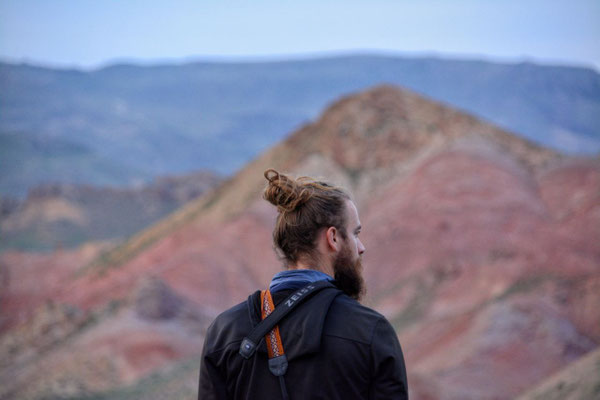
The surrounding colourful mountains, layered in shades of red, ochre and yellow, reminded me of the Rainbow Mountains in Peru. They glowed differently depending on the time of day, adding a painterly backdrop to long hours of fieldwork.
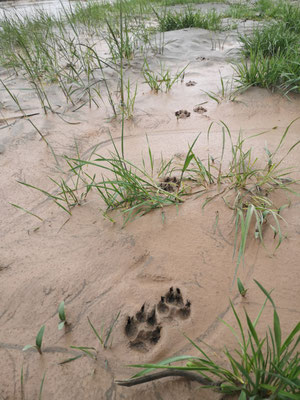
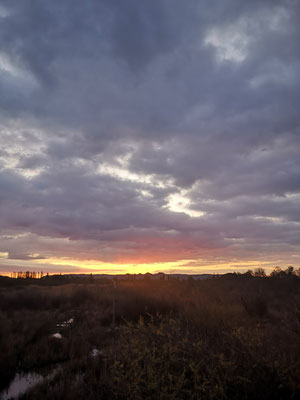
And as the sun set and darkness settled over the valley, the air came alive with the haunting calls of golden jackals, their chorus echoing across the steppe—a reminder that this landscape was as untamed as it was beautiful.

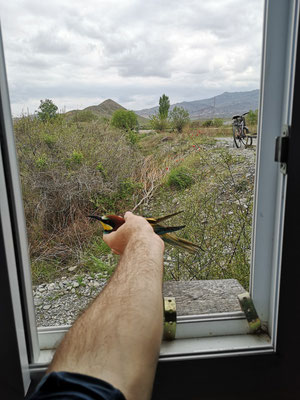

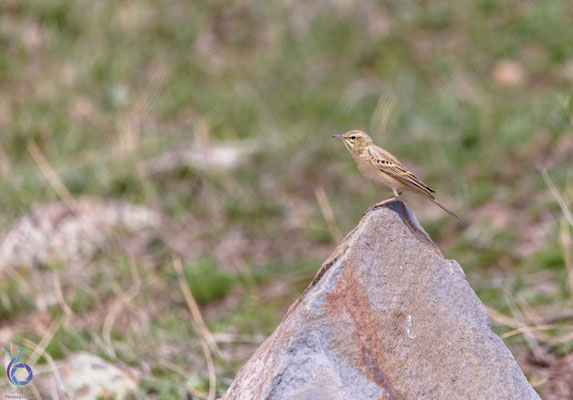
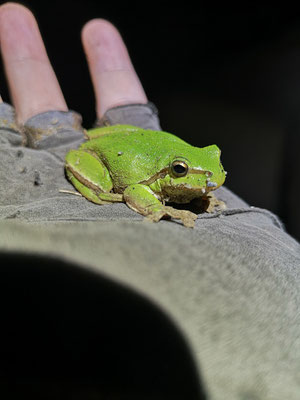
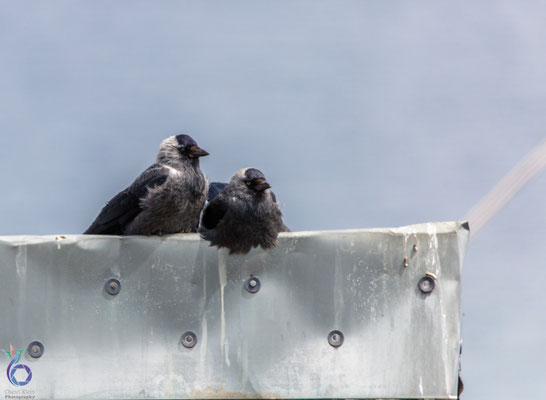

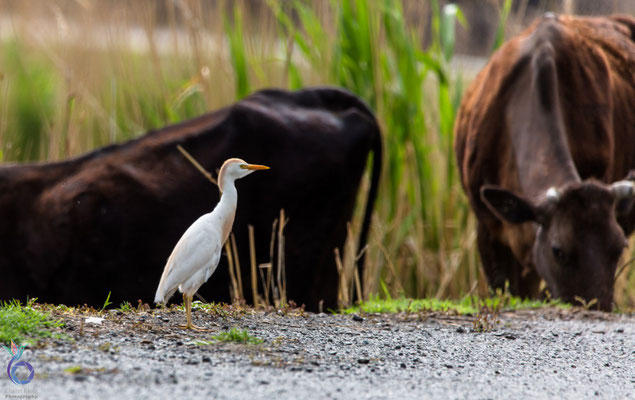
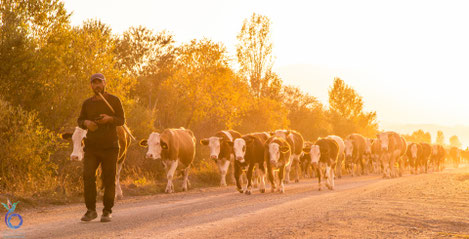
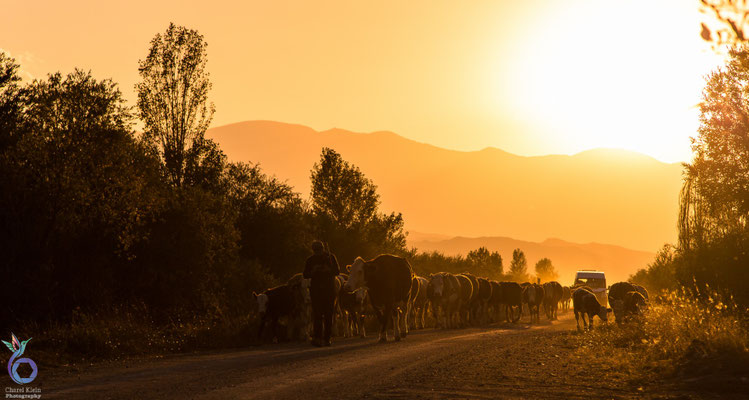
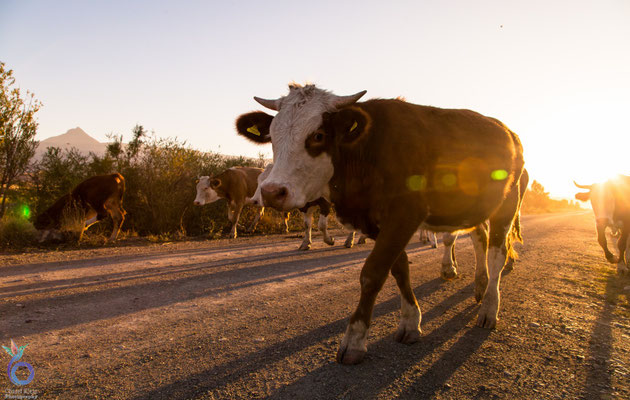
Life at the station wasn’t only about birds. Around sunset, a daily ritual unfolded, connecting us with the local rhythms of life. Unlike in Central Europe, where cows graze quietly in large pastures, in Turkey most families keep only a few cows — usually two or three per household.
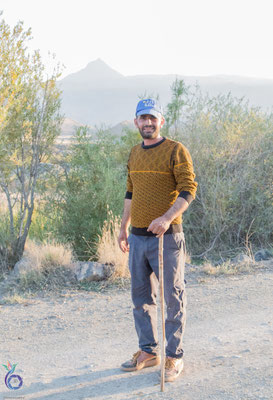
Each evening, shepherds would gather the animals and guide them back through dusty tracks, often right past our nets. For us, this meant springing into action to protect the delicate setup from a curious cow wandering through or, even worse, charging straight into the nets.
At times, it felt chaotic, but it was also deeply grounding — a small window into how humans and animals share this landscape. It became one of those daily events that made us laugh, bond, and realise how much fieldwork is shaped not just by nature, but also by the people living alongside it.

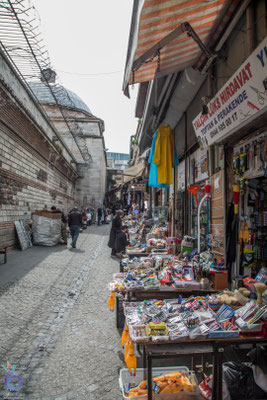
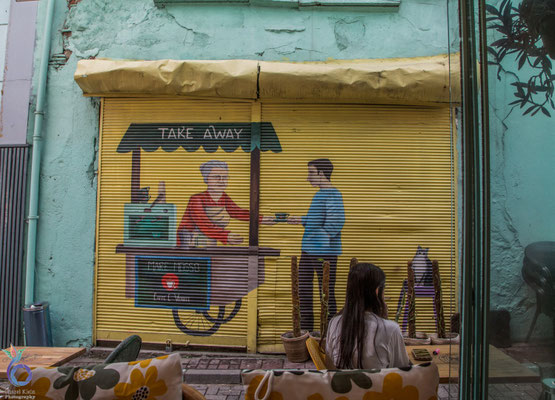
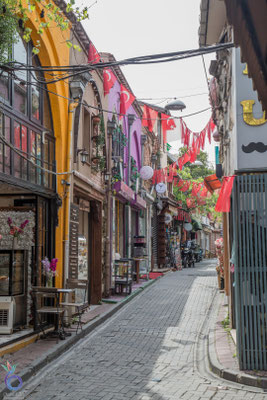
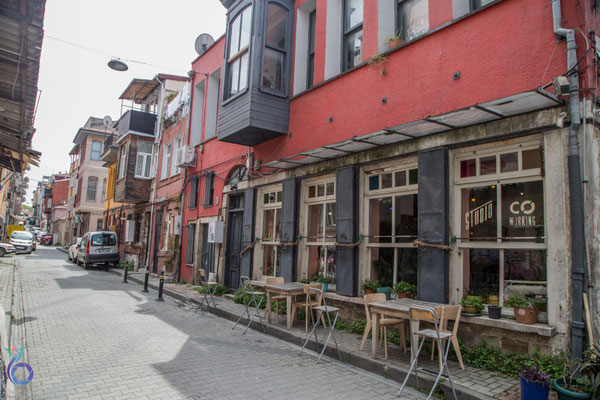
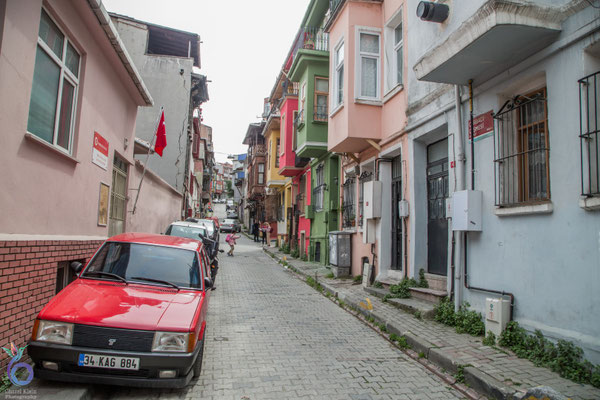
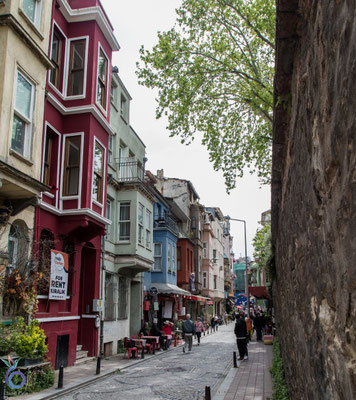
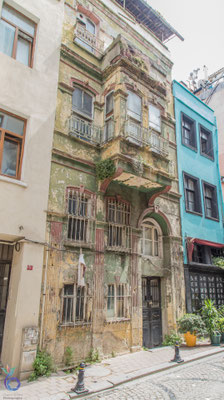
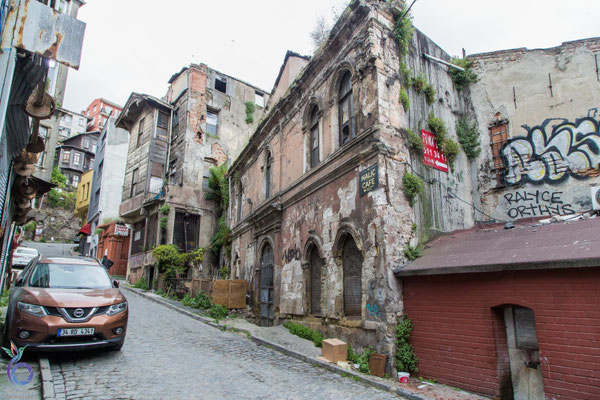
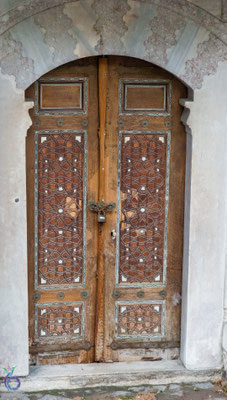
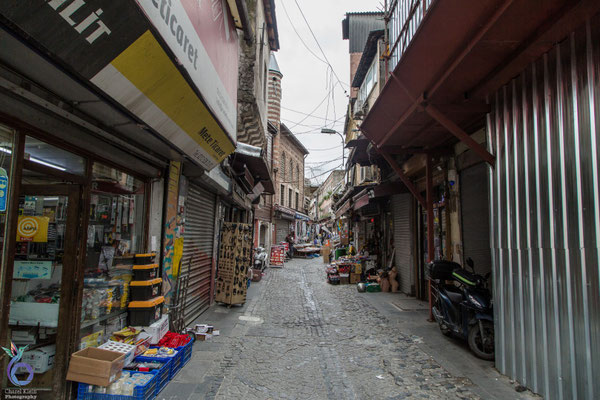
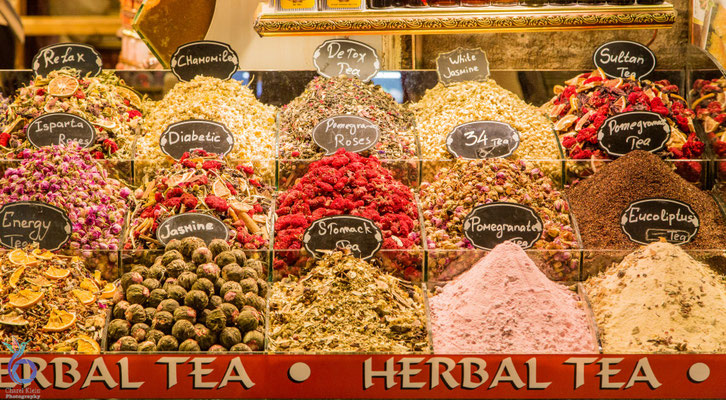
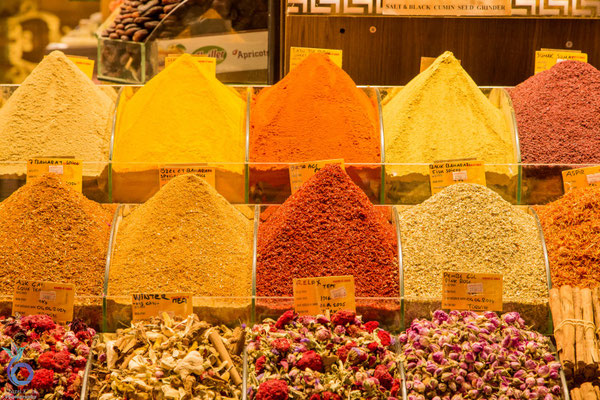
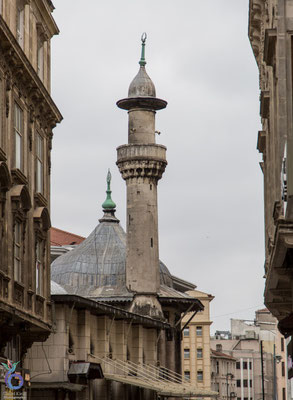
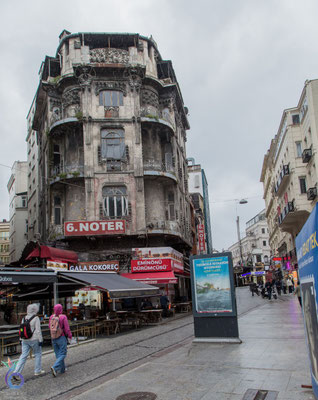
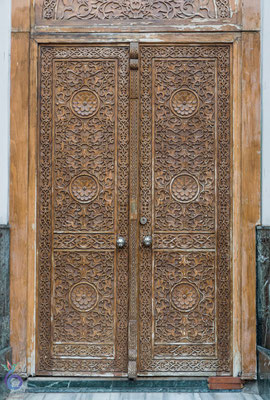
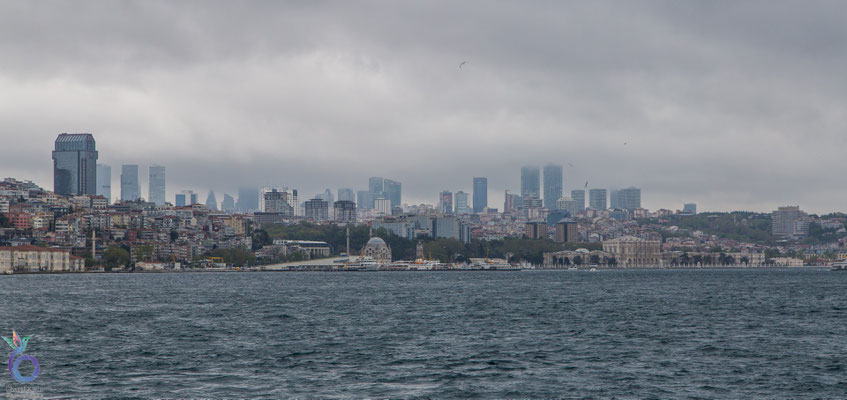
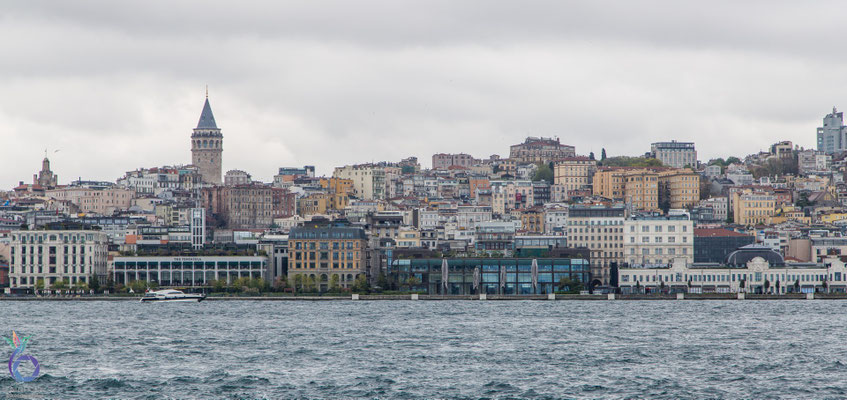
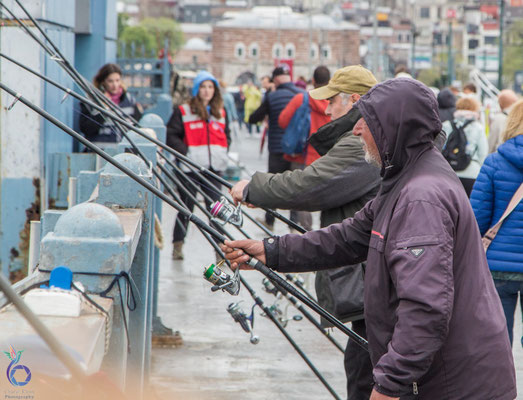
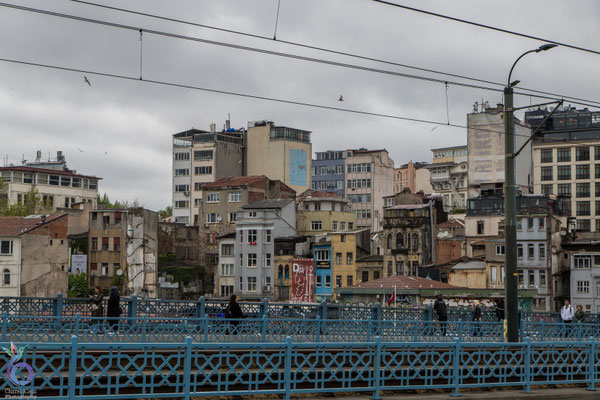
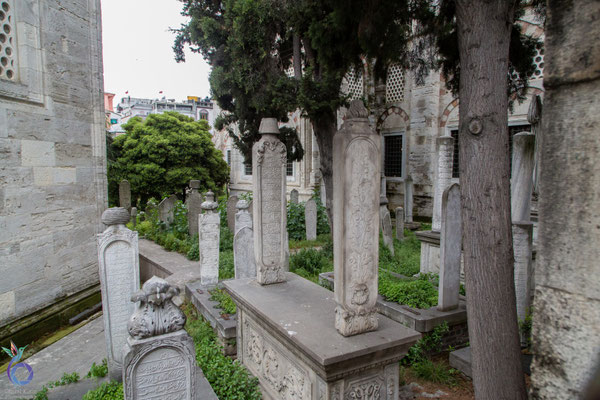
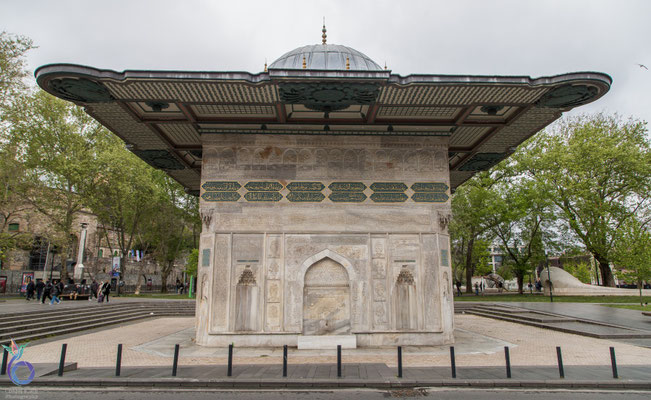
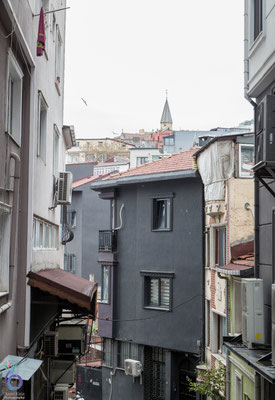
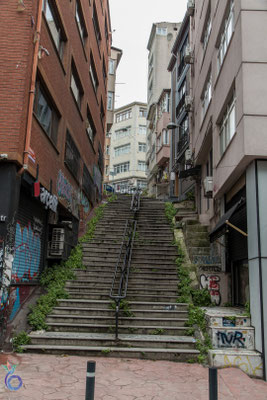
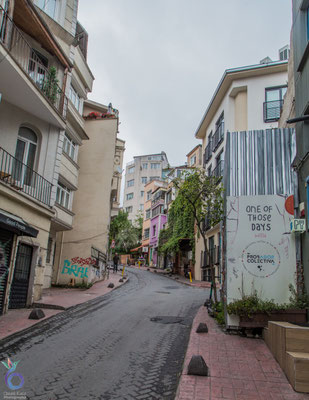
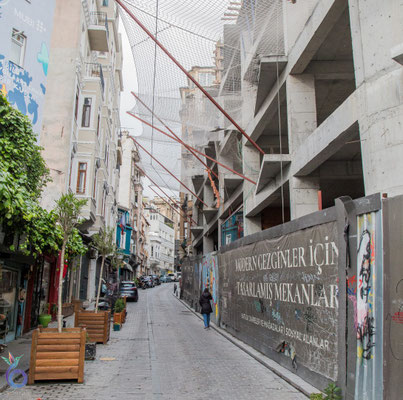
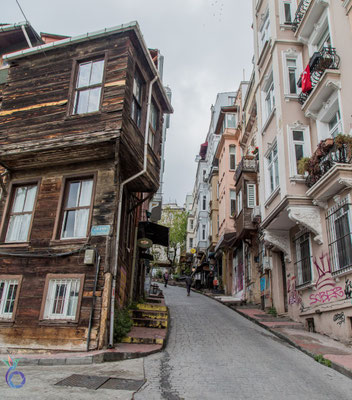
At the end of our stay, we took a few days to explore Istanbul — a city that feels like a world of its own. The contrast to the remote steppe couldn’t have been greater: suddenly we were surrounded by bustling streets, historic mosques, and markets overflowing with colour and life.
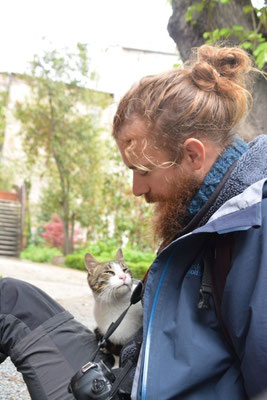
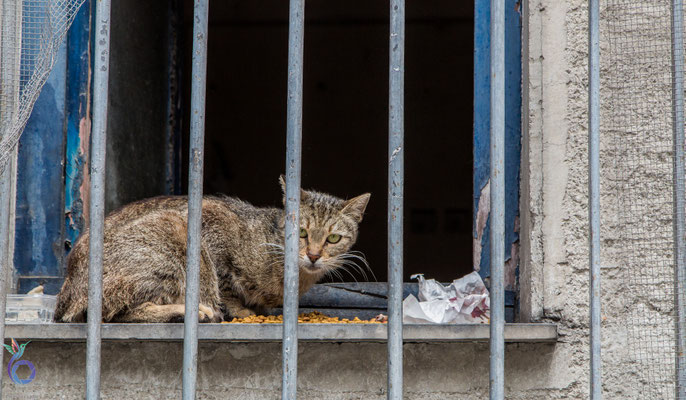
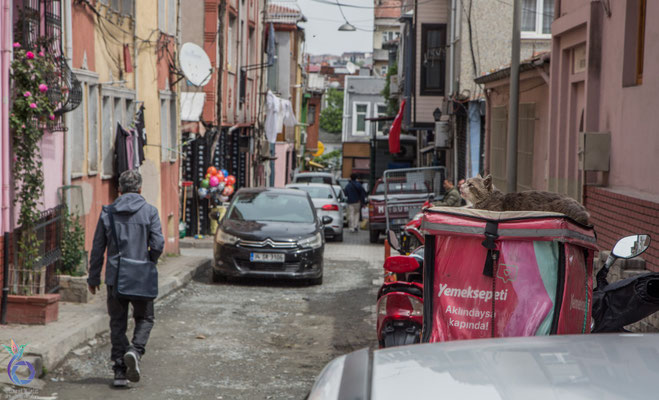
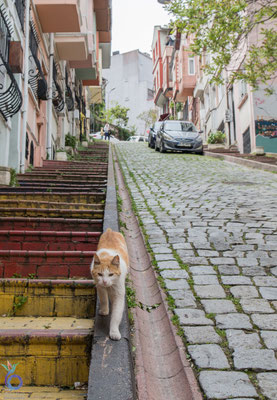
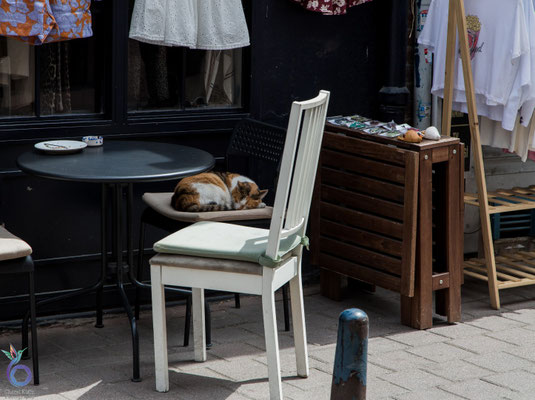
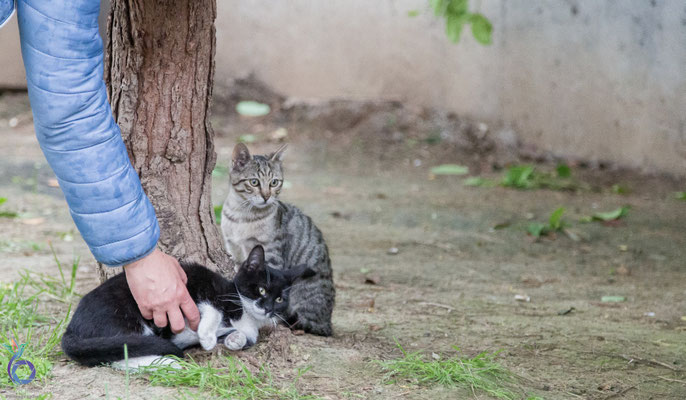
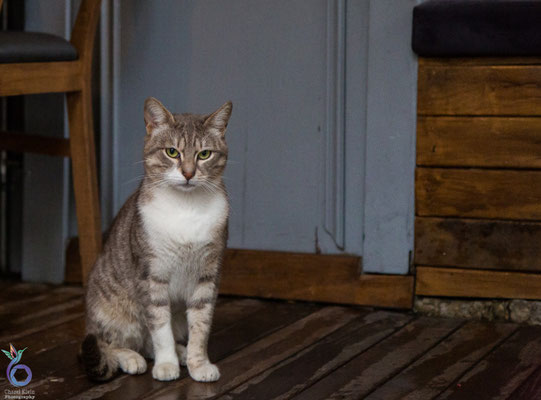
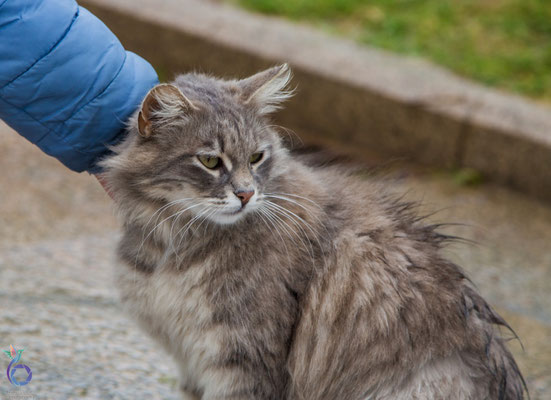
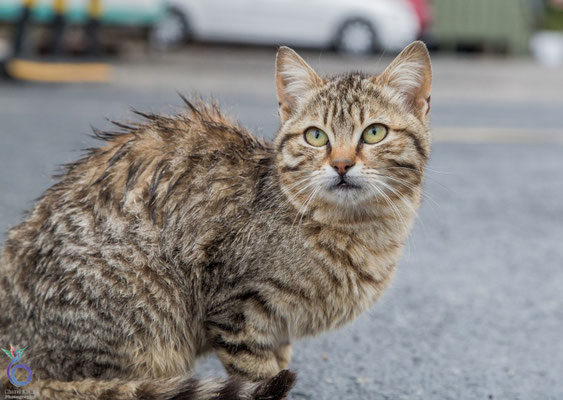
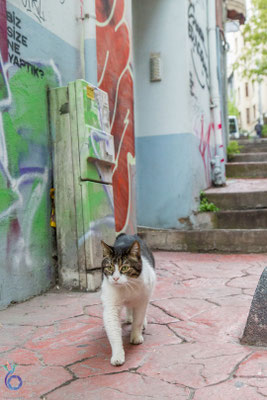
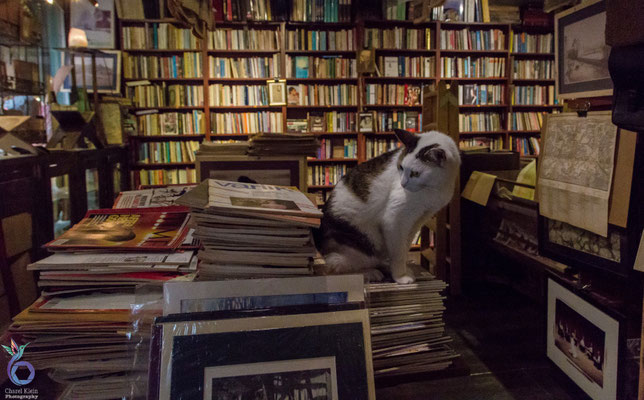
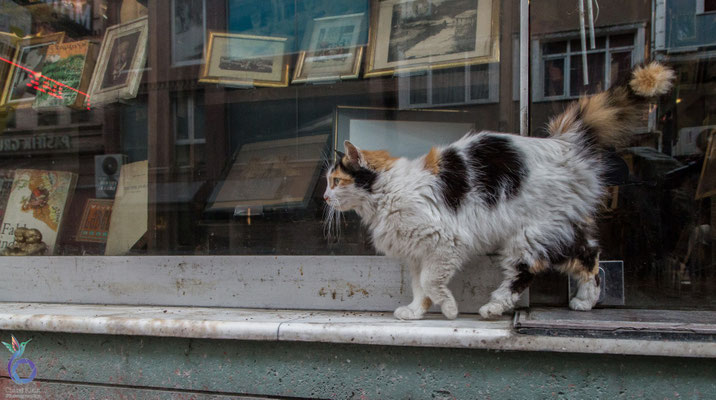
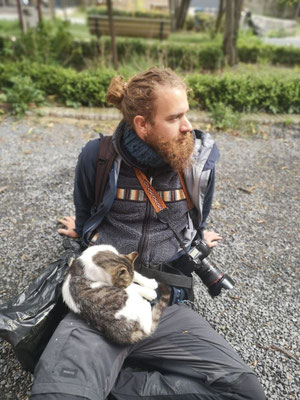
Istanbul is also famously the city of cats. These graceful animals roam everywhere — lounging on shop counters, weaving through the feet of café guests, or stretching out on the warm stone of mosques. Locals welcome them, feed them, and often consider them part of the city’s soul.
Wandering through neighbourhoods like Balat and Sultanahmet, we found ourselves smiling at the way cats seemed to rule the streets as much as people did.
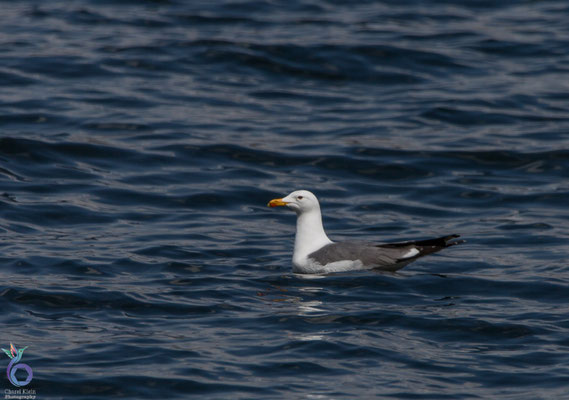
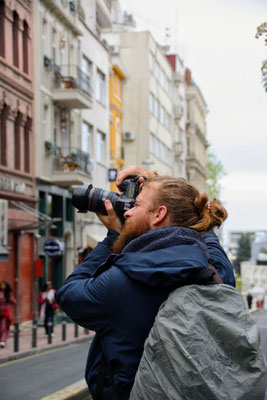
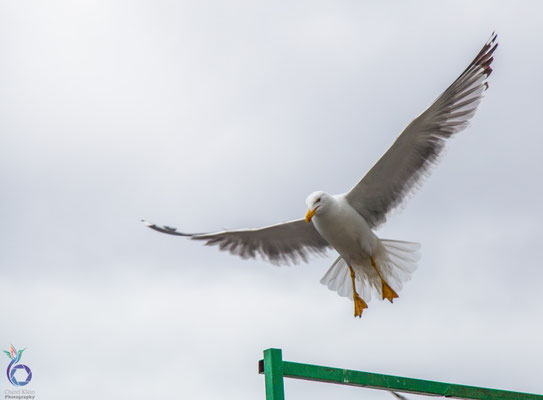
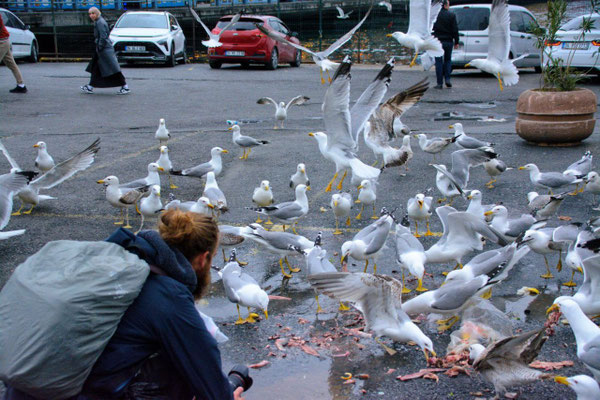
And even here, I couldn’t switch off the ornithologist inside me. Watching seagulls dive for fish scraps along the Bosphorus was as thrilling as any rare species in the field. Some people looked at me strangely, wondering why I preferred photographing gulls instead of postcard-perfect panoramas — but for me, those raw, lively moments captured the spirit of the city just as much as its monuments. It was the perfect way to end my stay in Turkey, carrying the same sense of curiosity and wonder from the wild steppes of Aras to one of the world’s most vibrant metropolises.

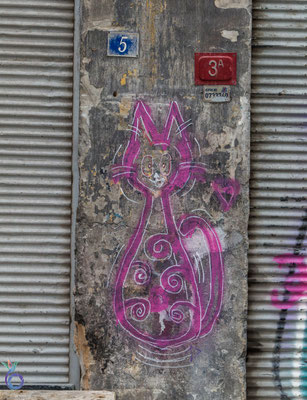





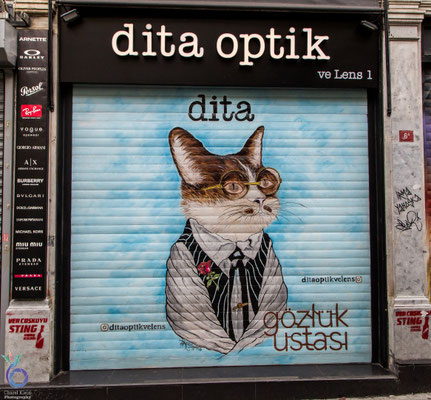




Ohhh.. and do not forget the cats! Everywhere!